Bee Chems is a leading name among activated alumina suppliers and activated alumina manufacturers, providing premium-quality activated alumina powder under the registered brand Actas®. Whether you are seeking to buy activated alumina for industrial, environmental, or laboratory applications, this guide will walk you through everything you need to know: what activated alumina is, its properties, uses, benefits, and tips on sourcing from reliable activated alumina suppliers and activated alumina manufacturers.
Activated alumina has established itself as a versatile material across multiple sectors. From water treatment to air purification, from chromatography to desiccation processes, this remarkable material demonstrates exceptional adsorption and catalytic properties. In this comprehensive guide, we explain why you should consider activated alumina powder from trusted suppliers like Bee Chems and how to identify genuine activated alumina manufacturers when you decide to buy activated alumina.
What Is Activated Alumina?
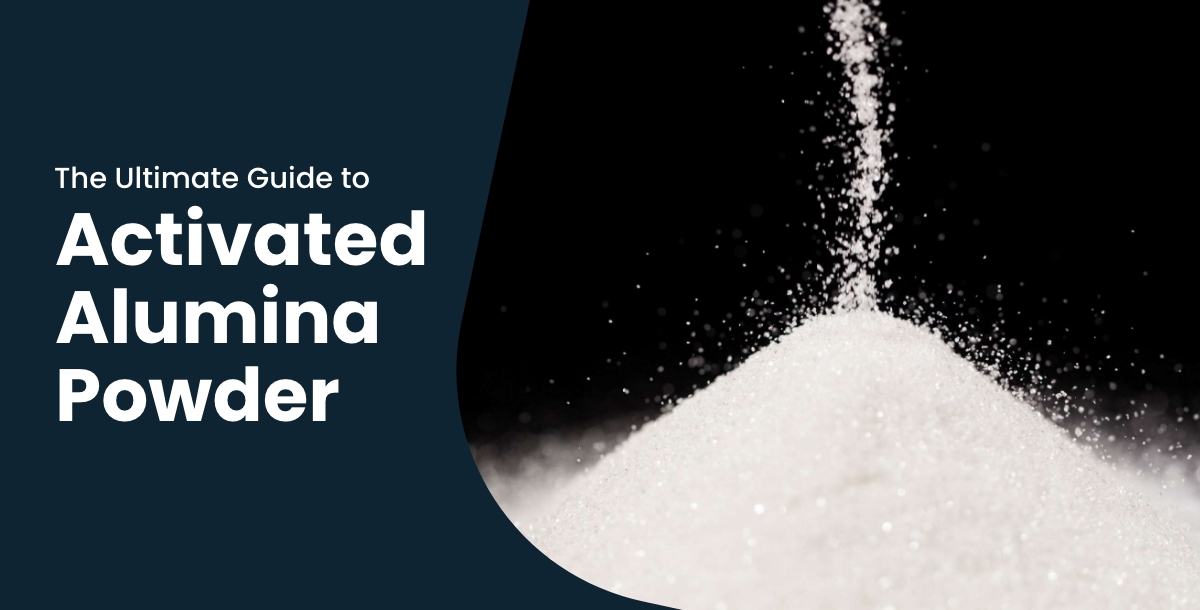
Activated alumina is a highly porous, granular form of aluminum oxide (Al₂O₃) that is processed through specific activation methods to enhance its surface area and pore structure. This increases its adsorption capacity, making it effective for trapping moisture, removing contaminants, and facilitating chemical reactions. In its powdered form—known as activated alumina powder—it can be utilized in fine-tuned applications, including chromatography, catalysts, and specialty filtration media.
The material undergoes rigorous quality control and activation protocols to ensure millions of square meters of surface area per gram. This high surface area makes activated alumina an ideal candidate for applications requiring rapid adsorption or catalytic conversion. Bee Chems, one of the top-tier activated alumina suppliers, specializes in maintaining uniform particle size distribution, consistent porosity, and minimal impurity levels in its Actas® product line.
Key Properties of Activated Alumina Powder
- High Surface Area: Each gram of activated alumina powder can offer hundreds of square meters of active surface area for adsorption.
- Porosity and Pore Size Distribution: Uniform micro- and macro-pores allow efficient adsorption of molecules, making it effective as a desiccant and catalyst support.
- Chemical Stability: Resistant to thermal shock, high temperatures, and most chemicals, ensuring longevity in diverse environments.
- Mechanical Strength: Low dust generation and minimal crushing under pressure allow for repeated use and easy handling.
- Thermal Conductivity: Facilitates heat transfer in catalytic processes where maintaining temperature uniformity is crucial.
- Neutral pH: Does not introduce acidity or alkalinity into treated media, ensuring compatibility with sensitive processes.
When you plan to buy activated alumina, always request detailed specifications—such as bulk density, water adsorption capacity, and crush strength—from your activated alumina suppliers to ensure the material meets your application’s requirements.
Common Uses and Applications of Activated Alumina
1. Water Treatment and Purification
Activated alumina powder is widely used in water treatment processes to remove fluoride, arsenic, selenium, and other inorganic contaminants. Its high affinity for hydroxyl ions enables it to trap and hold harmful ions, making it indispensable for municipal water plants, industrial wastewater systems, and household filtration units. Bees Chems’ Actas® Activated Alumina is available for purchase in bulk quantities, enabling you to buy activated alumina that meets stringent water treatment standards.
2. Air and Gas Drying/Dehydration
In industrial compressed air and gas systems, moisture can damage equipment and compromise product quality. As a desiccant, activated alumina adsorbs water vapor from compressed gases, maintaining dryness and preventing corrosion or freeze-ups. Many activated alumina suppliers offer specialized grades designed for cyclic adsorption-desorption cycles, ensuring efficient moisture control over extended periods.
3. Catalyst Support
Catalytic reactions in petrochemical refining, petrochemical synthesis, and chemical processing often rely on catalysts supported on activated alumina powder. Its thermal stability and high surface area make it an excellent support medium for active catalytic species. As one of the reputable activated alumina manufacturers, Bee Chems ensures uniformity in support characteristics to optimize reaction rates and selectivity.
4. Chromatography and Laboratory Applications
For analytical laboratories, pharmaceutical research, and chemical analysis, activated alumina powder is used as a stationary phase in adsorption chromatography. It helps separate compounds based on their polarity and molecular size. When you decide to buy activated alumina for laboratory-grade applications, look for high-purity, narrow particle size distribution grades provided by trusted activated alumina suppliers like Bee Chems.
5. Desiccant Packets and Drying Agents
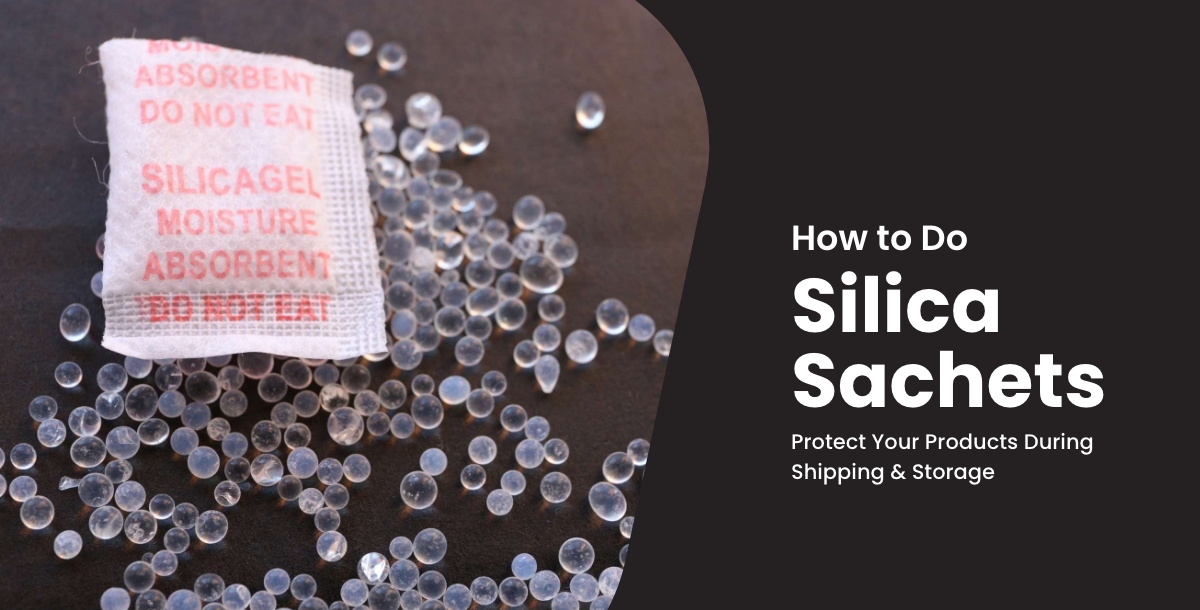
Small sachets containing activated alumina are used to maintain low-humidity environments in packaging for electronics, pharmaceuticals, and food products. Its reversible adsorption properties allow desiccant packets to be regenerated by heating, reducing waste. If your business needs bulk desiccant material, connect with established activated alumina manufacturers to ensure reliable supply and quality.
6. Dehalogenation and Defluorination
Certain grades of activated alumina powder are modified to specifically target halogenated compounds in waste streams or industrial effluents. These specialized forms help in processes such as defluorination of brine, desulfurization of natural gas, and other pollutant-removal applications. When you need to buy activated alumina for such niche applications, verify that the activated alumina suppliers can provide performance data on halogen load capacities and regeneration cycles.
Benefits of Using Activated Alumina Powder
- High Adsorption Efficiency: Its large surface area and pore volume allow for rapid adsorption of water, contaminants, and gases.
- Cost-Effective: Regenerable through simple heating processes, reducing replacement costs over time compared to single-use materials.
- Chemical and Thermal Stability: Withstands high temperatures and harsh chemicals, ensuring reliability in demanding process conditions.
- Versatility: Serves multiple roles—from desiccant to catalyst support to water treatment media—eliminating the need for multiple specialized materials.
- Long Service Life: Minimal attrition and dust generation translate to fewer system downtimes and less maintenance.
- Non-Toxic and Environmentally Friendly: Naturally derived from aluminum oxide, it does not leach harmful substances into treated media.
By choosing high-grade activated alumina from established activated alumina manufacturers and activated alumina suppliers, you maximize these benefits and ensure consistent performance across your processes.
Factors to Consider When You Buy Activated Alumina
As you evaluate different activated alumina suppliers and activated alumina manufacturers, consider the following aspects to ensure you get the right material for your application:
- Purity and Composition: Verify the percentage of Al₂O₃ content and trace impurity levels. For critical applications (like chromatography or pharmaceuticals), high-purity (activated alumina powder with >99% Al₂O₃) is necessary.
- Particle Size Distribution: Determine if you need a fine powder, granular media, or specific bead size. Uniform particle size ensures consistent flow in packed beds and uniform adsorption rates.
- Pore Size and Surface Area: Check adsorption capacity and pore volume specifications. Larger pores facilitate the adsorption of larger molecules, while micro-pores enhance moisture removal efficiency.
- Mechanical Strength: For cyclic or high-pressure applications, look for low crush rate metrics. Reliable activated alumina suppliers will provide crush strength data to gauge durability.
- Regenerability: Confirm if the material can be regenerated in-place through a heating cycle or if it requires off-site regeneration. Ease of regeneration impacts total lifecycle cost and downtime.
- Packaging and Delivery: Ensure the packaging protects against pre-use moisture uptake. Bulk packaging—such as 25 kg bags with moisture-barrier liners—can help maintain product quality until you are ready to install.
- Compliance and Certifications: Depending on your industry (e.g., food, pharmaceuticals, potable water), request certifications such as NSF, FDA, or relevant ISO standards from the activated alumina manufacturers.
Bee Chems, as one of the foremost activated alumina suppliers, provides detailed technical datasheets and SDS (Safety Data Sheets) for its Actas® product line. This ensures you have all necessary information to compare and select the best material for your project.
How to Buy Activated Alumina: A Step-by-Step Guide
Knowing how and where to buy activated alumina can save time, money, and mitigate risks associated with inferior products. Follow these steps to make a confident purchase:
Step 1: Define Your Application and Requirements
Before you even reach out to activated alumina suppliers or activated alumina manufacturers, clarify your intended use. For example:
- Water treatment: fluoride removal capacity, bed life, and regeneration conditions.
- Compressed air drying: moisture capacity per unit volume and cycle stability.
- Catalyst support: thermal conductivity, surface area, and compatibility with active catalytic metals.
- Chromatography: purity, narrow particle size range, and acid-washed or activated grades.
Documenting these parameters will help prospective activated alumina suppliers recommend the right grade and packaging options.
Step 2: Research and Shortlist Reliable Suppliers
Not all activated alumina manufacturers adhere to the same quality standards. Seek suppliers with established track records in material science, positive customer testimonials, and transparent manufacturing processes. Key points to evaluate include:
- Geographic proximity and lead times (important for bulk activated alumina powder orders).
- Quality management systems (e.g., ISO 9001 certification).
- Availability of technical support, on-site testing, or beta samples.
- Price competitiveness versus long-term performance and regeneration costs.
Bee Chems stands out among activated alumina suppliers due to its dedicated R&D unit, state-of-the-art production facilities, and global distribution network. Whether you need small laboratory quantities or bulk tons for large-scale operations, Bee Chems can accommodate diverse volume requirements.
Step 3: Request Samples and Technical Data
Prior to a full-scale purchase, always buy activated alumina sample packs from shortlisted suppliers. Compare performance metrics such as adsorption capacity, moisture content, and regeneration efficiency. Ask for:
- Product datasheets detailing pore volume, surface area, and particle size.
- Safety Data Sheets (SDS) to understand handling precautions.
- Performance test reports—especially for critical applications like removing heavy metals in water treatment.
- Pricing quotes for incremental bulk orders to evaluate cost scalability.
Evaluating samples side-by-side will highlight differences in quality and performance. The best activated alumina manufacturers will provide comprehensive data to back their product claims.
Step 4: Compare Prices and Terms
When you’re ready to make a purchase decision, compare the following across your shortlisted activated alumina suppliers:
- Price per kilogram or ton of activated alumina powder.
- Volume discounts, freight terms, and shipping lead times.
- Minimum order quantity (MOQ) and payment terms.
- Support services—delivery tracking, on-site training, and technical hotline.
Bee Chems offers transparent, competitive pricing and flexible MOQs, whether you buy activated alumina in 25 kg bag quantities or multi-tonne bulk shipments. Their logistics team coordinates timely delivery to ensure uninterrupted operations.
Step 5: Place Your Order and Arrange Logistics
Finalize your order by:
- Confirming the grade, quantity, and packaging requirements with the activated alumina suppliers. For example: “We require 1,000 kg of Actas® Activated Alumina Powder, grade AA-20, 150–300 microns, packaged in 25 kg moisture-barrier bags.”
- Agreeing on shipping terms—FOB, CIF, or DDP, depending on your location and preferences.
- Coordinating with your internal or third-party logistics provider for customs clearance if you buy activated alumina internationally.
Reputable activated alumina manufacturers like Bee Chems help facilitate the logistics, tracking, and documentation so you can focus on integrating the material into your processes without worry.
Step 6: Inspect and Test Upon Delivery
Upon receiving your shipment of activated alumina, conduct a quality inspection:
- Visually check packaging for damage or moisture infiltration.
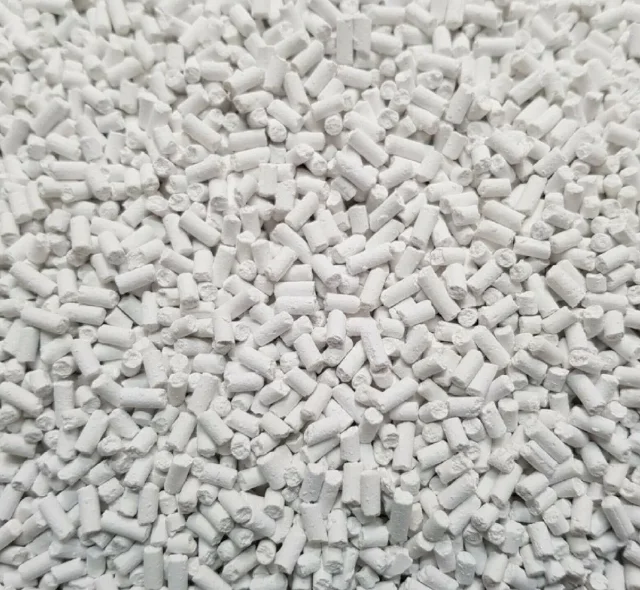
- Verify particle size distribution and color (uniform white to off-white granules or powder).
- Run a quick adsorption test (e.g., moisture uptake over a fixed time) to ensure performance aligns with specifications.
If any discrepancies arise, communicate them immediately to the activated alumina suppliers or activated alumina manufacturers to facilitate replacements or corrective actions.
Tips for Storing and Handling Activated Alumina
Proper storage and handling are crucial to maintain the integrity of activated alumina powder. Keep these guidelines in mind:
- Dry Environment: Store in a cool, dry warehouse away from humidity. Moisture uptake before use can reduce adsorption capacity.
- Sealed Packaging: Retain original moisture-barrier bags until just before use. If repackaging, use resealable, airtight containers or vacuum-sealed pouches.
- Avoid Contamination: Keep away from oils, solvents, and dust. Always use clean tools and scoops when handling to prevent cross-contamination.
- Maintain Inventory Rotation: Follow First-In-First-Out (FIFO) practices. Older batches, once opened, should be prioritized to avoid prolonged exposure to ambient conditions.
- Regeneration Protocol: If water-saturated, regenerate by heating in a controlled oven at recommended temperatures (e.g., 200–300 °C for a specified duration). Check manufacturer guidelines for exact parameters.
Following these practices ensures that your activated alumina remains at peak performance from the moment you buy activated alumina to final disposal or regeneration.
Why Choose Bee Chems as Your Activated Alumina Supplier
Bee Chems stands out among activated alumina suppliers and activated alumina manufacturers for several compelling reasons:
- Proprietary Brand – Actas®: Our flagship product line is rigorously tested to meet the highest industry benchmarks. Actas® activated alumina powder is synonymous with purity, consistency, and performance.
- Global Reach, Local Support: With distribution centers and technical representatives worldwide, we offer prompt delivery, on-site training, and 24/7 customer support.
- Custom Engineering: We collaborate with clients to develop bespoke activated alumina grades, whether for specialized catalyst support, desalination projects, or high-precision laboratory chromatography.
- Quality Assurance: Our ISO 9001-certified production facilities maintain stringent quality controls at every stage—from raw material sourcing to final packaging. Certificates of Analysis (CoAs) accompany each shipment.
- Sustainability Focus: Our regeneration processes are optimized to minimize energy consumption and waste. We also offer take-back programs to recover and recycle spent activated alumina powder.
- Competitive Pricing: By leveraging economies of scale and efficient logistics, Bee Chems provides some of the most cost-effective activated alumina solutions on the market without compromising on quality.
When you decide to buy activated alumina, partnering with a reliable manufacturer like Bee Chems ensures you receive a superior product backed by expert support, technical datasheets, and consistent performance over time.
Conclusion
Activated alumina powder remains an indispensable material for a wide range of industrial, environmental, and laboratory applications. From water treatment and air drying to chromatography and catalyst support, its versatility, high adsorption capacity, and regenerability make it a top choice. When you are ready to buy activated alumina, partnering with established activated alumina suppliers and activated alumina manufacturers like Bee Chems ensures you receive consistent, high-performance Actas® grades that meet your exact needs.
By understanding the unique properties, benefits, and selection criteria outlined in this guide, you can confidently choose the right activated alumina grade and supplier. Explore Bee Chems’ comprehensive portfolio of Actas® activated alumina powder products and take advantage of our global distribution network, technical support, and sustainable regeneration services. Whether you require a small sample or a large bulk shipment, we are ready to support your project every step of the way.
Bee Chems—your trusted partner among activated alumina suppliers and activated alumina manufacturers. Contact us today to buy activated alumina that delivers exceptional quality, reliability, and value.
Frequently Asked Questions (FAQs)
- Q1: What is the difference between activated alumina powder and granular activated alumina?
- A1: Activated alumina powder typically refers to a fine particle form used in high-precision applications such as chromatography or desiccants for small-scale laboratory setups. In contrast, granular activated alumina comprises coarser particles or beads used in large-scale processes such as water treatment towers or compressed air dryers. Particle size distribution and pore structure are tailored to the intended application.
- Q2: How often can activated alumina be regenerated?
- A2: Most high-quality activated alumina grades can be regenerated hundreds of cycles, depending on operating conditions. Proper regeneration temperatures (often between 200–300 °C) and times must be followed to fully restore adsorption capacity without damaging the material’s pore structure. Bee Chems provides detailed regeneration guidelines for each Actas® grade.
- Q3: Can I use activated alumina for removing fluoride from drinking water?
- A3: Yes, specialized activated alumina powder grades are designed for fluoride removal. These grades possess high affinity for fluoride ions. When deployed in water treatment columns, the material can reduce fluoride concentrations to below recommended safety limits. Contact Bee Chems to determine which Actas® grade is optimized for defluorination.
- Q4: Are there certifications I should look for when I buy activated alumina?
- A4: Depending on your industry and region, you may require NSF/ANSI, FDA, or other regulatory approvals. High-end activated alumina manufacturers will share their compliance certificates upon request. Bee Chems holds multiple certifications confirming that Actas® meets global safety and performance standards.
- Q5: What is the shelf life of activated alumina powder?
- A5: When stored properly in sealed, moisture-barrier packaging, activated alumina powder can remain effective for 1–2 years. Ensure minimal exposure to ambient humidity by keeping the material in a controlled, dry environment. Once opened, reseal unused portions promptly or store in an inert atmosphere to preserve adsorption capacity.
- Q6: How do I choose between different grades of activated alumina?
- A6: The right grade depends on your specific application:
- Moisture Control: Select grades with high water uptake capacity and robust mechanical strength.
- Water Treatment: Choose defluorination or dechlorination-specific grades with tailored surface chemistries.
- Catalyst Support: Opt for high surface area, uniform pore distribution grades that can anchor active metal species.
- Laboratory Use: Look for narrow particle size ranges for reproducible chromatography results.
Bee Chems’ technical team can guide you to the ideal Actas® grade based on your process conditions, flow rates, and desired lifespan.
- Q7: How can I verify the authenticity of activated alumina I purchase?
- A7: Trustworthy activated alumina suppliers and activated alumina manufacturers will provide Certificates of Analysis (CoAs), SDS, and product traceability. Upon receipt, verify the material’s color, particle size, and initial moisture content against the datasheet. If any discrepancies arise, notify the supplier promptly for resolution.
- Q8: Does Bee Chems offer custom packaging or private labeling?
- A8: Yes, Bee Chems is equipped to fulfill custom packaging needs—whether small sachets, 25 kg moisture-barrier bags, or bulk supersacks—and offers private-labeling services for large-volume customers. Contact our sales team to discuss your specific packaging, branding, or distribution requirements.