Categories
Adsorbents Desiccants

How Activated Alumina is Revolutionizing Water Treatment and Defluoridation?


What is activated alumina powder and how does it work?

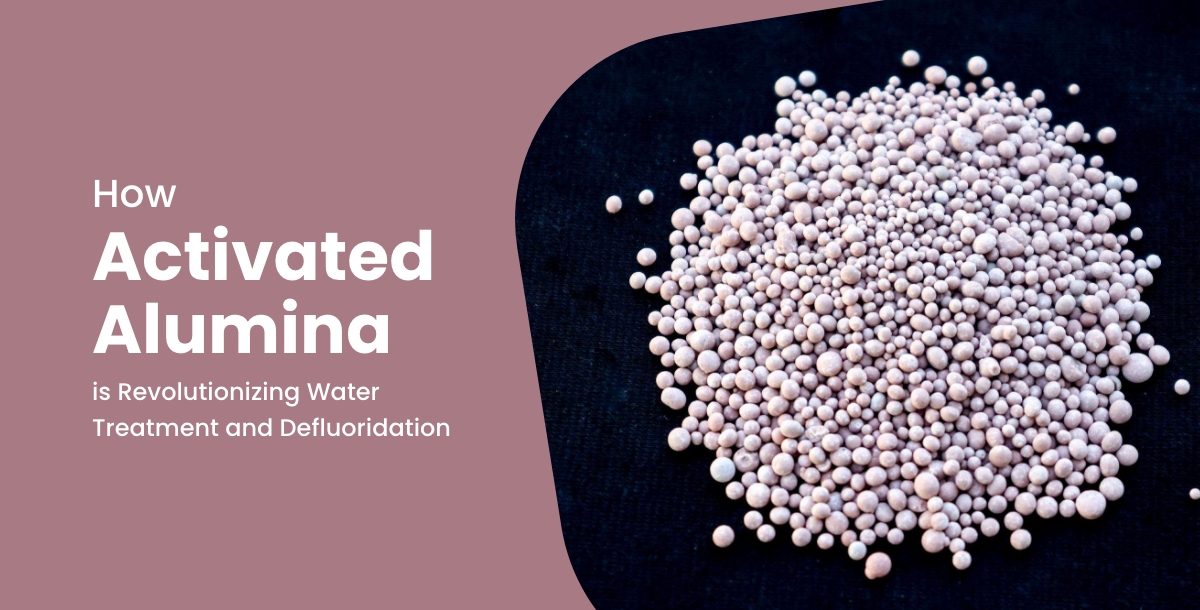
Activated alumina powder is a fine, highly porous form of aluminum oxide with an immense surface area. It captures contaminants via adsorption and ion exchange, binding substances like fluoride onto its structure. Activated Alumina Manufacturers by Bee Chems under the Actas® brand, this powder features micro- and mesopores for rapid kinetics and high capacity.

Bead and powder forms fit cartridge filters, fluidized beds, and specialty reactors. Its mechanical strength avoids dust formation and ensures consistent flow, making activated alumina powder ideal for both home and industrial treatment.

Why should you buy activated alumina from top suppliers?

As leading Activated Alumina Suppliers and one of the premier Activated Alumina Manufacturers, Bee Chems guarantees quality and consistency. Our clients can buy activated alumina with confidence, knowing it meets stringent ISO standards. Every batch undergoes rigorous testing for surface area, pore volume, hardness, and moisture content.

Global health agencies recommend activated alumina for safe drinking water solutions. Bee Chems’ extensive production ensures timely delivery when you buy activated alumina for municipal or household systems.

How does activated alumina remove fluoride from water?

Activated alumina binds fluoride ions through surface adsorption and ion exchange, lowering concentrations from 10 ppm to below 1 ppm. Optimized at pH 5.5–6.5 and cooler temperatures, it achieves over 95% removal efficiency. Water flowing through packed beds of alumina beads or powder attaches fluoride to active sites for reliable defluoridation.

Typical adsorption capacity exceeds 2.85 mg F⁻ per gram, offering selectivity over competing anions. Single-pass systems consistently meet regulatory limits in one treatment cycle.

What advantages does activated alumina offer over other methods?

Compared to precipitation or membrane processes, activated alumina is cost-effective and eco-friendly. It operates without constant chemical dosing and supports in-situ regeneration, generating minimal waste.

  • High fluoride adsorption: ≥ 2.85 mg F⁻/g
  • Reusability via mild regeneration
  • Low sludge or brine output
  • Reduced operational expenses

Regeneration uses mild NaOH or dilute HCl, avoiding harsh reagents. Spent eluents are minimal, and beads or powder retain structure for multiple cycles—making activated alumina a greener choice.

Can activated alumina be regenerated and reused?

Yes, activated alumina can be regenerated with simple backwashing using alkaline or acidic solutions, restoring over 90% of its capacity. Frequent regeneration extends media life and lowers replacement costs.

Perform regeneration every 6–12 months or when effluent fluoride levels rise. High-grade alumina withstands up to 10 cycles with minimal capacity loss, ensuring long-term performance.

How is activated alumina applied in industrial water treatment?

In industry, activated alumina is used in fixed-bed reactors, fluidized beds, and cartridge filters for effluent polishing and process water treatment. It handles high flow rates and heavy contaminant loads efficiently.

  • Power plant boiler feed water
  • Oil & gas produced water polishing
  • Chemical process water refinement
  • Agricultural irrigation purification

Modular designs integrate pre- and post-filtration to optimize performance. Compact modules fit existing plants with minimal footprint and energy use.

How do Activated Alumina Suppliers and Manufacturers ensure quality?

Bee Chems, among top Activated Alumina Suppliers, provides ISO-certified production and thorough QA testing. Each batch undergoes BET surface area analysis, pore distribution checks, and crush strength tests.

Advanced instrumentation confirms surface area, pore volume, and moisture content, ensuring each lot meets published specifications and performance criteria.

What other contaminants can activated alumina address?

Beyond fluoride, activated alumina adsorbs arsenate, selenium, chromate, and organic pollutants like dyes and phenols. Its versatility makes it suitable for diverse treatment challenges.

  • As(V) and As(III) removal
  • Selenium oxyanion capture
  • Chromium(VI) adsorption
  • Organic dye and phenolic compound removal

Applications include textile effluent treatment, pharmaceutical water polishing, and mining wastewater cleanup, addressing emerging contaminant concerns.

How does activated alumina compare to activated carbon?

Activated alumina shows superior affinity for inorganic anions like fluoride and arsenic, while activated carbon excels at organics. Its thermal and chemical stability suits harsh treatment conditions.

Carbon media require frequent disposal and harsh regeneration. In contrast, alumina can be reused with low attrition, resulting in lower lifecycle costs for inorganic removal.

What role does activated alumina play in domestic filters?

Activated alumina is integral to cartridge filters and gravity-fed units for household water safety. Easy installation, minimal upkeep, and long service intervals make it homeowner-friendly.

Systems deliver 1–2 L/min flow and treat 500–1000 L per unit. Gravity-fed models support off-grid use, while under-sink housings fit standard fixtures.

How does activated alumina support sustainable water management?

By reducing chemical use and enabling regeneration, activated alumina lowers environmental impact and fosters circular water economies. Its longevity and waste minimization align with sustainability goals.

Life cycle studies show up to 30% lower carbon footprint versus chemical treatments. Regenerated eluents can recover fluoride for industrial reuse, advancing resource recovery initiatives.

Frequently Asked Questions

,

Q1. What exactly is activated alumina powder, and why is it so effective?

Activated alumina powder is a highly porous form of aluminum oxide (Al₂O₃) with an immense internal surface area. Its micro- and mesopores provide abundant active sites that capture contaminants through adsorption and ion exchange. Unlike ordinary alumina, the “activated” form is thermally treated to optimize pore size, surface chemistry, and hardness, allowing rapid kinetics, high capacity (≥2.85 mg F⁻/g for fluoride), and minimal dust or attrition in filter systems.

Q2. How does activated alumina remove fluoride from water?

Fluoride ions in water are removed when they bind to the hydroxylated surface of activated alumina via surface adsorption and ion exchange. Optimal defluoridation occurs at pH 5.5–6.5 and cooler temperatures, achieving over 95% removal in a single pass. As water flows through alumina-packed beds or cartridges, fluoride replaces hydroxide or other anions on the alumina surface, lowering fluoride levels from typical feed concentrations (e.g., 10 ppm) to below safe limits (≤1 ppm).

Q3. Can activated alumina be regenerated and reused?

Yes. Spent activated alumina can be regenerated by backwashing with mild alkaline (e.g., NaOH) or acidic (e.g., dilute HCl) solutions, which desorb the bound fluoride (or other ions), restoring over 90% of its original capacity. Regeneration intervals are typically every 6–12 months or when effluent fluoride begins to creep up. High-grade alumina withstands up to 10 regeneration cycles with minimal loss in mechanical strength.

Q4. How does activated alumina compare to other water-treatment methods?

Compared to conventional techniques like chemical precipitation and membrane filtration, activated alumina offers higher selectivity for inorganic contaminants and lower operational costs. It requires no continuous reagent dosing, can be regenerated on-site, and produces minimal secondary waste.

Q5. What other applications does activated alumina have beyond defluoridation?

Activated alumina’s versatile adsorption properties make it effective for:

  • Arsenic (As III/V) removal in drinking and process water
  • Selenium and chromate capture in industrial effluent
  • Organic dye and phenol adsorption in textile and pharmaceutical wastewater
  • Polishing boiler-feed and produced water in power, oil & gas, and chemical plants

Its chemical and thermal stability suit it to a wide range of treatment challenges—making it a go-to media for both domestic filters and heavy-duty industrial reactors.
Categories
Adsorbents Desiccants

How to Use Silica Gel Sachets for Product Packaging

Product quality and customer satisfaction go hand in hand. One critical yet often overlooked aspect of preserving product integrity is moisture control. Whether you’re shipping electronics, leather goods, pharmaceuticals, or food products, excess moisture can lead to mold, corrosion, discoloration, and reduced shelf life. As a leading silica gel manufacturer, Bee Chems provides an effective moisture management solution: silica gel sachets. In this comprehensive guide, we’ll explore everything you need to know about using silica gel desiccants sachets for product packaging, helping you make informed choices and ensuring your products reach customers in pristine condition. If you’re ready to buy silica sachets or buy silica gel in bulk, read on to discover best practices, tips, and expert recommendations.

What Is Silica Gel and How Does It Work?

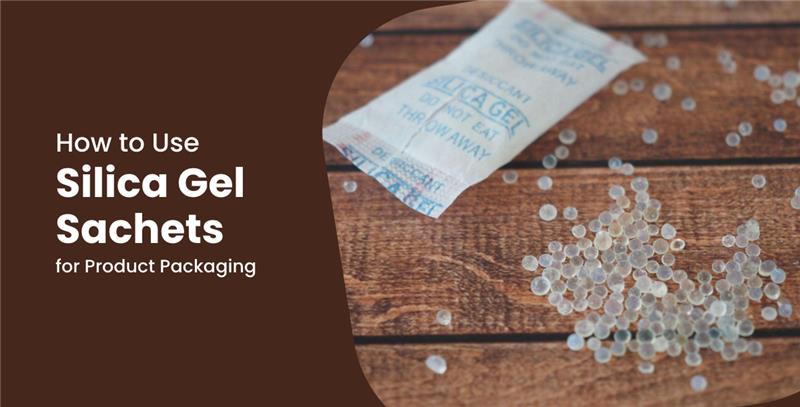
Silica gel is a porous, granular form of silicon dioxide (SiO₂) renowned for its high surface area and moisture-absorbing capability. Though it appears as small translucent beads—silica gel powder is also available in specialized applications—its true power lies in its ability to adsorb water vapor. When packaged with hygroscopic products, silica gel sachets trap moisture within their pores, maintaining a low-humidity microenvironment that prevents damage.

Adsorption vs. Absorption

Unlike absorption, where a material soaks up liquid into its bulk, adsorption involves water molecules adhering to the surface. Silica gel desiccants acts like a sponge at the molecular level, effectively reducing relative humidity without becoming saturated with liquid water.

Types of Silica Gel

  • Clear beads: Standard moisture adsorbent.
  • Indicating beads: Cobalt chloride–treated beads that change color to signal saturation.
  • Powdered form: Used for specialized filtration or vacuum applications.

For most packaging needs, pre‑packaged silica gel sachets offer convenience and consistent performance.

Benefits of Using Silica Gel Sachets in Packaging

  • Product Protection: Prevents mold, mildew, corrosion, and degradation of sensitive components.
  • Extended Shelf Life: Moisture control helps maintain product freshness, efficacy, and appearance.
  • Cost Efficiency: Affordable and reusable options reduce waste and long-term expenses for businesses that buy silica sachets in bulk.
  • Safety: Inert and non‑toxic (unless dyed with indicating compounds), silica gel is a safe option compared to chemical desiccants.

Choosing the Right Silica Gel Sachet

Not all silica gel desiccants sachets are created equal. Consider the following factors to select the right sachet:

  • Desiccant Capacity: Sachets range from 0.5 g to 200 g or more. Determine the water vapor load based on product weight, packaging volume, and environmental conditions.
  • Sachet Material: Permeable non‑woven fabric is common; foil‑lined sachets offer a higher barrier to contaminants but may release beads if punctured.
  • Indicating vs. Non‑Indicating: If you want visual confirmation of saturation, choose indicating silica gel sachets that change color. For food or pharmaceutical applications where dyes are restricted, opt for non‑indicating variants.
  • Form Factor: Standalone sachets are easiest to incorporate, but custom‑sized packets or loose silica gel powder in perforated packets can fit unique packaging needs.

As a trusted silica gel supplier and silica gel manufacturer, Bee Chems offers a full range of options, helping you buy silica gel sachets that match your exact requirements.

Calculating the Number of Sachets Needed

  1. Estimate Moisture Load: Determine the amount of moisture (in grams) that could accumulate in the enclosed space. Consider external humidity, temperature, and time in transit.
  2. Desiccant Capacity per Sachet: Check product specifications: for example, a 5 g sachet might adsorb up to 3 g of water under standard conditions.
  3. Safety Margin: Add 20–30% extra desiccant to account for varying conditions.

Example Calculation:

  • Product volume: 2 L
  • Expected moisture ingress: 0.5 g/L → total 1 g
  • Use two 5 g sachets (total capacity 10 g) for ample protection and safety margin.

Best Practices for Incorporating Silica Gel Sachets

  • Placement: Distribute sachets evenly throughout the package. For larger boxes, place one sachet on each edge and one in the center.
  • Prevent Direct Contact: Avoid direct contact with products that may be sensitive to abrasion or dust from packets. Use an inner transparent bag if needed.
  • Seal Packaging Properly: Use heat‑seal or airtight containers to prevent moisture bypass. Every seam or opening is a potential leak.
  • Labeling: Clearly label packages with “Contains Desiccant—Do Not Eat” both inside and outside. This reduces risk and informs end‑users.
  • Handle with Dry Hands: Oil and moisture from hands can prematurely saturate sachets. Use gloves or tweezers when placing sachets.

Integrating Silica Gel Powder for Specialized Uses

While silica gel sachets serve most packaging needs, silica gel powder is ideal for:

  • Filtration: Removing trace moisture from oils, solvents, or gases.
  • Vacuum Systems: High‑precision equipment requiring minimal particulate release.
  • Custom Packet Production: For automated filling machines, powder provides consistent weight distribution.

If your process demands powdered desiccant, consult with your silica gel supplier about particle size, purity, and regulatory compliance.

Monitoring and Maintenance

  • Use Indicating Beads: Visually inspect color‑changing silica gel sachets regularly.
  • Replace or Regenerate: Desiccant becomes ineffective when saturated. Regenerate by heating (e.g., 120 °C for two hours) or replace packets.
  • Record‑Keeping: Track batch numbers, placement dates, and regeneration cycles, especially in regulated industries like pharmaceuticals.

Environmental and Safety Considerations

  • Disposal: Saturated desiccant can be disposed of in regular waste, but check local regulations. Avoid pouring beads down drains.
  • Reusability: Regenerating silica gel reduces waste. Many sachets can be revitalized multiple times without loss of performance.
  • Packaging Materials: Pair eco‑friendly sachet materials (e.g., biodegradable pouches) with your commitment to sustainability.

Why Choose Bee Chems

  • Quality Assurance: Strict adherence to ISO standards and rigorous moisture‑adsorption testing.
  • Customization: From sachet sizes to indicating colors and bulk powder, we tailor solutions.
  • Global Reach: Fast shipping and local support help you buy silica gel sachets anywhere.
  • Technical Expertise: Our team offers guidance on calculation, packaging integration, and regeneration protocols.

Conclusion

Effective moisture management is vital to maintaining product quality, preventing damage, and ensuring customer satisfaction. By integrating silica gel sachets into your packaging, you harness a proven, cost‑effective, and safe moisture control strategy. From selecting the right desiccants capacity to proper placement, monitoring, and regeneration, the steps outlined here will help you optimize your packaging process. If you’re ready to buy silica sachets or need bulk powder for specialized applications, contact Bee Chems today. As a leading silica gel manufacturer, we’ll partner with you to deliver tailored, high‑quality silica gel desiccants solutions that keep your products safe, fresh, and ready for market.

Frequently Asked Questions

Q1. What are silica gel sachets and how do they work?

Silica gel sachets are small packets filled with porous beads of silicon dioxide that adsorb moisture from the surrounding air. When placed in packaging, they trap water vapor on their surface to maintain a low‑humidity environment and protect products from mold, corrosion, and degradation.

Q2. How many silica gel desiccants sachets do I need per package?

Calculate sachet requirements by estimating the moisture load based on package volume, external humidity, and transit duration. Choose sachets with sufficient adsorption capacity—typically adding a 20–30% safety margin—and distribute them evenly within the package.

Q3. Can I reuse or regenerate silica gel sachets?

Yes. Many silica gel sachets can be regenerated by heating them in an oven at 120 °C for approximately two hours to drive off absorbed moisture. After cooling, they regain their absorption capacity for reuse.

Q4. Are silica gel sachets safe for food packaging?

Food‑grade silica gel desiccants sachets are non‑toxic and safe for direct contact with food, provided they are labeled “food‑grade” and packaged in food‑safe permeable pouches. Always follow regulatory guidelines for food packaging.

Q5. How do I choose a reliable silica gel supplier?

Look for a silica gel manufacturer with ISO certification, transparent quality‑control procedures, customizable product offerings, and positive customer testimonials. Bee Chems, a leading silica gel supplier, provides detailed specs, bulk ordering, and technical support.

Categories
Adsorbents Desiccants

Silica Gel Desiccant: Protect Electronics, Optics & Aerospace from Moisture


What is Silica Gel Desiccant?

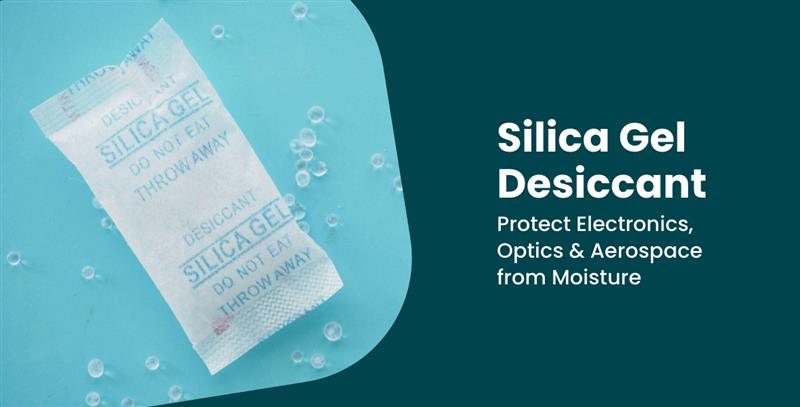
Silica gel desiccant is a porous, non‑toxic form of silicon dioxide engineered to adsorb moisture. It appears as granules or beads with enormous internal surface area that traps water vapor. Used in packaging and equipment enclosures, it prevents humidity‑related damage.

Key Features Include:

  • High adsorption capacity: Up to 40% of its weight in moisture.
  • Chemical inertness: Safe around electronics and optics.
  • Reusability: Can be regenerated by gentle heating.

Manufacturers offer it as silica sachets or as loose silica gel powder for diverse applications.

Why is Moisture Harmful to Electronics?

Moisture forms conductive films on PCBs and corrodes metal contacts. Even trace humidity can trigger leakage currents, short circuits, and component failure. Over time, repeated exposure accelerates solder‑joint fatigue and degrades polymer insulations.

Common Moisture‑Induced Failures:

  • Corrosion: Copper traces and connectors erode.
  • Shorting: Water bridges gaps between conductors.
  • Dielectric breakdown: Capacitors lose insulating properties.

Effective moisture control extends device lifespan, reduces warranty claims, and ensures reliable operation under fluctuating environmental conditions.

How Does Silica Gel Protect Electronics from Humidity?

Silica sachets placed inside device enclosures actively draw in water vapor. The beads’ micropores bind moisture, maintaining low relative humidity around sensitive circuits. By preventing condensation, silica gel desiccant safeguards against corrosion and electrical faults.

Implementation Strategies:

  • Sachet placement: Tuck silica sachets beside PCBs or near ventilation openings.
  • Powder cartridges: Use loose silica gel powder in custom canisters for larger cabinets.
  • Monitoring: Pair with humidity indicators to schedule regeneration.

How Does Silica Gel Protect Optics from Moisture?

Silica gel packets in camera and lens cases prevent fogging and fungal growth. Moisture on glass surfaces blurs images and etches protective coatings over time. Desiccant sachets preserve optical clarity by maintaining a dry micro‑environment.

Benefits for Optical Gear:

  • Fog prevention: Keeps lenses clear during temperature changes.
  • Mold inhibition: Stops fungus from growing on internal glass.
  • Coating protection: Preserves anti‑reflective and hydrophobic layers.

For complex systems like telescopes, integrate silica gel powder cartridges into sealed instrument housings to maintain stable humidity levels.

How Does Silica Gel Safeguard Aerospace Equipment?

Aerospace systems face extreme temperature swings that amplify moisture risks. Water vapor can freeze in fuel lines, block sensors, or corrode avionics connectors. Specialized desiccant canisters filled with silica gel beads protect critical assemblies.

Typical Aerospace Applications:

  • Avionics bays: Desiccant packs installed behind panels.
  • Sensor housings: Powder‑filled cartridges near pressure ports.
  • Maintenance cycles: Replace or regenerate sachets during servicing.

As a leading silica gel manufacturer, Bee Chems meets rigorous aviation standards and provides customized formulations for civil and military aircraft.

What Forms of Silica Gel Should You Choose?

Silica gel desiccant is available as pre‑measured sachets and as loose powder. Sachets, ranging from 1 g to 100 g, suit small enclosures and shipping cartons. Powder offers finer granules and greater surface area, ideal for custom cartridges.

Comparison of Forms:

  • Sachets:
    • Ready‑to‑use pouches
    • No spillage risk
  • Powder:
    • Higher adsorption per volume
    • Flexible for automated dispensing

Consult your silica gel supplier to select the optimal mesh size, purity, and packaging format for your application.

How Do You Regenerate and Reuse Silica Gel?

Regeneration restores adsorption capacity by heating silica gel at 100–120 °C for several hours. This driving‑off process removes trapped moisture without degrading the bead structure. Reusable desiccant reduces waste and ongoing costs.

Regeneration Best Practices:

  • Heating method: Oven or heat‑drying chamber.
  • Duration: 2–4 hours depending on saturation level.
  • Post‑drying: Cool in a sealed, dry container before reuse.

Track desiccant performance with humidity indicators to determine optimal regeneration intervals.

Why Choose a Reliable Silica Gel Manufacturer and Supplier?

Consistent quality and performance depend on precise manufacturing controls. Variations in bead size or impurities directly affect adsorption efficiency. A reputable supplier provides detailed specifications, batch testing, and certification.

Key Considerations When Buying Silica Gel:

  • Purity: Low dust content and absence of additives.
  • Mesh size: Matches required airflow and enclosure volume.
  • Certification: Compliance with industry standards (e.g., MIL‑STD for aerospace).

Bee Chems offers bulk drums, custom sachet packs, and expert guidance to ensure your moisture‑control strategy succeeds.

How Can You Integrate Silica Gel into Your System Design?

Incorporate moisture control early in the engineering phase to maximize protection. Proper desiccant placement and enclosure sealing work hand‑in‑hand to maintain dry environments.

Integration Tips:

  • Enclosure design: Include removable trays or pockets for silica sachets.
  • Ventilation: Use breathable membranes combined with powder cartridges.
  • Maintenance plan: Schedule desiccant replacement or regeneration alongside equipment servicing.

By collaborating with a knowledgeable silica gel supplier, you’ll achieve reliable, long‑term humidity control tailored to your electronics, optics, or aerospace systems.

Frequently Asked Questions

Q1. How do I determine the right amount of silica gel to use?

Calculate the internal volume of your enclosure and the expected humidity level. As a rule of thumb, use 1 g of silica gel desiccant per liter of air for mild conditions, and increase to 2–3 g per liter in very humid or high‑risk environments.

Q2. How often should silica gel sachets be replaced or regenerated?

Monitor with humidity indicators or built‑in sensor alerts: if relative humidity climbs above 40–50%, it’s time to regenerate or swap out. In typical indoor storage, sachets last 3–6 months; in harsher settings, expect 4–8 weeks of effective protection.

Q3. Can I mix silica gel powder with other desiccants?

Yes—silica gel pairs well with molecular sieves or activated alumina to broaden moisture‑control ranges. Blends can optimize performance under extreme temperature swings or very low dew‑point requirements, such as in aerospace or specialty optics systems.

Q4. What’s the difference between indicating and non‑indicating silica gel?

Indicating silica gel changes color (often from orange to green or blue) as it absorbs moisture, providing a visual cue for regeneration. Non‑indicating beads maintain a uniform appearance but require external humidity indicators or sensors for status checks.

Q5. Are there any limitations to using silica gel desiccant?

Silica gel is ineffective in environments with rapid, high‑volume moisture influx or where condensation is continuous. It also cannot remove chemically bound water in such cases, combining it with active drying systems or vacuum sealing may be necessary.


Categories
Adsorbents Desiccants

Top 5 Uses for Activated Alumina in Industry

Bee Chems is proud to introduce Actas®, our premium activated alumina product line designed to meet the rigorous demands of modern industry. As one of the leading activated alumina manufacturers and activated alumina suppliers, Bee Chems ensures unmatched quality, consistency, and performance. In this comprehensive guide, we explore five critical applications of activated alumina powder that are shaping industries today. Whether you’re looking to buy activated alumina for moisture control, water purification, or catalytic processes, understanding these applications will help you make the right choice.

1. Desiccant and Moisture Control

One of the most widespread uses of activated alumina powder is as a desiccant for moisture removal. Its highly porous structure provides a vast surface area, allowing it to adsorb water vapor effectively from air and various gases. Industrial dryers, compressed air systems, and gas pipelines depend on this process to prevent corrosion, maintain product integrity, and ensure operational safety.

Actas® activated alumina beads excel in cyclic adsorption-desorption performance, making them ideal for continuous dehumidification systems. As a trusted name among activated alumina suppliers, Bee Chems delivers beads and pellets tailored to specific dew point requirements, ensuring you never compromise on moisture control. If you need to buy activated alumina that guarantees consistent performance, Bee Chems is your go‑to source.

2. Water Treatment and Filtration

Another key application is in water treatment, where activated alumina powder is used to remove contaminants like fluoride, arsenic, selenium, and heavy metals. Its amphoteric nature allows it to adsorb both acidic and basic species, making it versatile for different pH conditions. Municipal water facilities, industrial effluent treatment plants, and point-of-use filtration systems all leverage activated alumina to meet strict water quality standards.

Bee Chems, recognized among top activated alumina manufacturers, offers Actas® grades specifically optimized for rapid uptake and regeneration cycles. Whether you’re an engineering firm designing a new treatment plant or a small-scale operator looking to buy activated alumina for cartridge filters, our technical team will guide you through selecting the right particle size and surface chemistry.

3. Catalyst Support in Chemical Processing

In chemical industries, catalysts often require a stable, high-surface-area support to boost reaction rates and selectivity. Activated alumina is an exceptional catalyst carrier due to its thermal stability, mechanical strength, and resistance to poisoning. From petrochemical cracking to hydrogenation reactions and the production of polyethylene, activated alumina powder underpins countless catalytic processes.

Bee Chems stands out among activated alumina suppliers by offering Actas® supports engineered for specific catalyst impregnation techniques. Our products ensure uniform metal dispersion and long-term structural integrity, reducing downtime and maximizing yield. For industries seeking reliable catalyst supports, partnering with reputable activated alumina manufacturers like Bee Chems is essential.

4. Gas and Air Purification

Gas purification applications harness the high affinity of activated alumina for acidic compounds and moisture. Whether scrubbing sulfur compounds from natural gas streams, removing hydrogen sulfide in biogas upgrading, or purifying air supplies in sensitive manufacturing environments, activated alumina powder delivers efficient contaminant removal.

With stringent regulatory requirements on emissions and product quality, operators turn to Bee Chems as a leading activated alumina supplier. Our Actas® portfolio includes tailored formulations for deep desulfurization, acid gas adsorption, and VOC capture. When you need to buy activated alumina that meets exacting specifications, trust our expertise and global supply chain.

5. Drying and Activation in Pharmaceutical and Food Industries

The pharmaceutical and food sectors demand ultra-pure environments to maintain product safety and efficacy. Activated alumina functions as both a drying agent and purifier for solvents, gases, and liquid streams. In tablet coating processes, inert gas dryers, and solvent recovery systems, activated alumina powder ensures moisture and impurity levels remain below critical thresholds.

As one of the foremost activated alumina manufacturers, Bee Chems delivers pharmaceutical-grade Actas® with rigorous quality control, batch traceability, and compliance with international standards. Our support services include on-site activation testing and lifecycle management to extend bed life and reduce replacement costs. When choosing among activated alumina suppliers, Bee Chems stands out for reliability, technical service, and competitive pricing.

Why Choose Bee Chems as Your Activated Alumina Partner?

With decades of experience, Bee Chems has established itself among the top activated alumina suppliers and activated alumina manufacturers worldwide. Our Actas® line is renowned for:

  • Consistent porosity and surface area for maximum adsorption capacity
  • Precise particle size distribution for uniform flow and minimal pressure drop
  • Robust mechanical strength to withstand cyclic loading
  • Comprehensive technical support from selection to regeneration
  • Global supply capabilities and safe logistics

Whether you need to buy activated alumina in bulk or require a specialized formulation, Bee Chems delivers. Our dedicated team works closely with clients to customize solutions, conduct pilot trials, and optimize system performance. From design engineers to plant managers, stakeholders rely on Bee Chems for quality, consistency, and service.

How to Buy Activated Alumina from Bee Chems

Procuring activated alumina is simple and streamlined. Contact our sales team to discuss your application requirements—moisture control, water treatment, catalytic support, or gas purification. Provide details such as operating temperature, flow rates, and desired adsorption capacity. We’ll recommend the optimal activated alumina powder grade, batch size, and regenerative protocol.

As one of the premier activated alumina suppliers, Bee Chems ensures fast lead times and competitive pricing. Explore our online catalog or request a quote to buy activated alumina today. Our logistics network guarantees safe delivery to your facility, with documentation and certificates of analysis included.

Conclusion

Activated alumina has cemented its role as a versatile material across numerous industries—desiccants, water treatment, catalysis, gas purification, and pharmaceutical processing. Understanding these five key applications helps you select the right product and maximize performance. Bee Chems, a trusted name among activated alumina manufacturers and activated alumina suppliers, offers the Actas® line of high-purity, high-strength activated alumina powder tailored to your needs.

Ready to elevate your processes? Buy activated alumina from Bee Chems and experience unparalleled quality, technical support, and supply reliability. Contact us now to learn more about how activated alumina can transform your operations.

Categories
Adsorbents Desiccants

DIY Moisture Protection at Home: How to Use Silica Gel Desiccant Effectively

Moisture is one of the silent enemies in our homes. From musty closets to damp electronics, uncontrolled humidity can lead to mold, mildew, rust, and general deterioration of cherished belongings. Fortunately, there’s an easy and cost-effective solution: silica gel desiccant. As a leading silica gel manufacturer and silica gel supplier, Bee Chems offers a range of silica products—silica sachets, silica gel powder, and more—to help you maintain a dry, comfortable living space.

Understanding Silica Gel Desiccant

Silica gel desiccant is a granular, porous form of silicon dioxide that adsorbs and holds moisture. Unlike many chemical desiccants that react with water, silica gel works through physical adsorption: water vapor clings to its surface, reducing humidity in enclosed spaces. Available in various forms—most commonly silica sachets and loose silica gel powder —this versatile moisture absorber can fit into any nook and cranny you need to protect.

Types of Silica Gel for Home Use

1. Silica Sachets

  • Pre-measured, sealed bags that can be tossed into containers, drawers, or storage boxes.
  • Ideal for small spaces like jewelry boxes, camera cases, and shoe cabinets.
  • Often colored indicator beads show when they’re saturated and need recharging or replacement.

2. Silica Gel Powder

  • Fine, loose particles that can be filled into custom pouches, cloth bags, or small containers.
  • Perfect for delicate applications where you need to shape or measure the desiccant precisely.
  • Can also be layered at the bottom of plant pots or tool boxes to wick away residual moisture.

3. Bulk Loose Beads

  • Large quantities meant for refillable moisture-absorbing units or for creating DIY desiccant packs.
  • Suitable for garages, basements, and anywhere you want a high-capacity moisture solution.

Choosing the Right Product from Your Silica Gel Supplier

When you buy silica gel, consider the environment you’re protecting. For electronics or camera equipment, opt for silica gel powder or small silica sachets that fit intricately around the items. For larger spaces like storage bins or tool chests, use bulk loose beads. As a trusted silica gel manufacturer, Bee Chems ensures each product meets industrial-grade standards for maximum moisture adsorption.

DIY Applications Around the Home

Closets and Wardrobes

Clothes stored in dark, humid closets can develop mold or a musty odor. Place several silica sachets on closet shelves or hang them alongside garments. For optimal effect, select sachets with indicator beads so you know when they’ve reached capacity and need recharging. You may also sprinkle a thin layer of silica gel powder into breathable cloth bags and tuck them between folds for extra protection.

Shoe Cabinets and Sports Gear

Leather shoes and athletic equipment are prone to sweat-related odors and mold. Pop a couple of silica sachets into each shoe overnight after use, or scatter silica gel powder in small fabric pouches within your sports bag. This repels moisture, extends the life of your gear, and reduces unpleasant odors.

Camera and Electronics Storage

Cameras, lenses, and other electronics can suffer from lens fungus or circuit board corrosion if stored in damp conditions. Store these items in airtight cases with silica sachets —ideally ones labeled for fragile equipment. If you’re particularly concerned, add a layer of silica gel powder at the bottom of the camera bag under a thin cloth to catch any residual humidity.

Kitchen and Pantry Protection

Spices, grains, and even pet food can clump or grow mold in humid pantries. Seal packets of silica sachets in canisters or jars containing dry goods. For bulk flour or sugar, line the container lid with a reusable silica gel pouch. This keeps your staples fresh and free-flowing.

Toolboxes and Basements

Metal tools and hardware are susceptible to rust. Scatter bulk loose beads throughout your toolbox or line the bottom of storage tubs with silica gel powder. In damp basements, open trays or shallow dishes filled with silica sachets placed strategically on shelves can significantly reduce overall moisture levels.

How to Recharge and Maintain Silica Gel Desiccant

Silica gel desiccant is reusable. Once saturated, indicated by a color change or when you notice less moisture absorption, you can reactivate it by heating:

1. Oven Method

  • Preheat your oven to 120°C (250°F).
  • Spread silica gel powder or emptied sachets on a baking tray.
  • Heat for 1–2 hours, or until indicator beads return to their dry color.

2. Microwave Method

  • Place sachets in the microwave on low power.
  • Heat in 2-minute intervals, checking color change after each cycle until dry.

Always allow the silica gel to cool completely before reuse. As your trusted silica gel supplier, Bee Chems’ products are engineered for multiple recharge cycles without losing efficiency.

Safety and Handling Tips

  • Keep sachets and powder out of reach of children and pets—though not poisonous, ingestion can be uncomfortable.
  • Label homemade pouches clearly if storing them in areas where guests might handle them.
  • Avoid contact with eyes; if powder gets into eyes, rinse thoroughly with water.

Environmentally Friendly Disposal

When silica gel eventually wears out after many recharge cycles, it can often go into general waste. Some advanced types of silica gel desiccant can be recycled or repurposed in industrial applications—check with local waste management if desired.

Why Buy Silica Gel from a Reliable Manufacturer

Not all desiccants are created equal. Cheap or uncertified products may contain impurities or fail to adsorb moisture effectively. As a leading silica gel manufacturer and silica gel supplier, Bee Chems guarantees:

  • Consistent pore structure for maximum adsorption capacity.
  • Safe, non-toxic, and food-grade options available.
  • Durable indicator beads for clear feedback.
  • Bulk and custom packaging to suit every DIY need.

Where to Buy Silica Gel

Ready to tackle moisture problems in your home? You can buy silica gel directly from Bee Chems, your go-to silica gel supplier. We offer silica sachets, silica gel powder, and bulk loose beads in a range of sizes, tailored for both casual DIYers and professional applications. Visit our website or contact our sales team to place an order, request samples, or discuss custom packaging solutions.

Conclusion

DIY moisture protection at home is simple when you use the right silica gel desiccant products. From silica sachets in your closet to silica gel powder under your camera gear, this versatile desiccant keeps mold, rust, and odors at bay. By purchasing from a reputable silica gel manufacturer like Bee Chems, you ensure you’re getting high-quality, reliable moisture protection every time. Don’t let humidity harm your belongings— buy silica gel today and experience the peace of mind that comes with a dry, well-preserved home.

Categories
Adsorbents Desiccants

Top 10 Industries That Rely on Silica Sachets for Product Longevity

In today’s competitive industrial landscape, protecting products from moisture is critical for maintaining quality, shelf life, and overall customer satisfaction. That’s where silica sachets come into play. These small but mighty moisture absorbers are a staple across industries, ensuring product longevity and reliability. Derived from silica gel desiccant, these sachets prevent damage caused by humidity, mold, mildew, and corrosion. Below, we explore the top 10 industries that rely on silica sachets and highlight why businesses prefer to buy silica gel from a trusted silica gel manufacturer and silica gel supplier like Bee Chems.

1. Pharmaceutical Industry

The pharmaceutical industry cannot afford the slightest compromise in product integrity. Tablets, capsules, and even blister packs are highly sensitive to humidity. Moisture can degrade active ingredients, alter chemical composition, and render drugs ineffective. Hence, silica gel desiccant sachets are inserted into packaging to maintain the ideal dry environment. Pharma companies buy silica gel sachets in bulk to preserve product efficacy, stability, and compliance with health standards.

2. Food and Beverage Industry

Packaged dry foods—like spices, powdered milk, snacks, coffee, and dehydrated fruits—are prone to clumping or spoilage due to humidity. The food sector uses silica sachets to maintain product freshness and prevent microbial growth. These sachets are food-grade and non-toxic, making them safe for use inside packaging. Leading brands depend on trusted silica gel suppliers to ensure their products remain fresh until the last bite.

3. Electronics and Semiconductors

Moisture can cause irreparable damage to circuit boards, chips, sensors, and other electronic components. Whether in transit or storage, electronics manufacturers rely on silica gel desiccant sachets to shield devices from corrosion and electrical failure. A trusted silica gel manufacturer provides customized sachets suitable for anti-static packaging. These sachets play a crucial role in safeguarding high-value equipment and extending its operational lifespan.

4. Leather and Textile Industry

Leather goods like shoes, handbags, and jackets are highly vulnerable to fungal growth and discoloration if stored in humid conditions. Similarly, textiles such as silk or cotton garments may develop mildew. To combat this, fashion brands include silica sachets in product packaging, ensuring that luxury items reach customers in pristine condition. By partnering with a reputable silica gel supplier, brands preserve both their inventory and reputation.

5. Logistics and Shipping

Shipping and storage containers often pass through various climate zones, exposing goods to fluctuating temperatures and humidity. Whether transporting machinery, chemicals, or perishables, logistics firms use silica gel desiccant packs to protect cargo from condensation-related damage. This moisture control ensures that goods arrive undamaged, thereby reducing returns and customer complaints. Silica sachets are a cost-effective insurance policy for logistics providers.

6. Aerospace and Aviation

Aerospace components require extremely high standards of performance and reliability. Parts like avionics, instrumentation systems, and structural elements must be protected from even trace amounts of moisture during storage and transport. The use of silica gel desiccant sachets in aerospace packaging ensures corrosion-free performance. Given the high cost of aerospace components, manufacturers only buy silica gel from trusted silica gel manufacturers who guarantee consistency and quality.

7. Automotive Industry

From airbag modules to electrical systems, modern automobiles are packed with sensitive electronics and precision components. Excessive moisture can corrode connectors and sensors, leading to malfunction. The automotive industry uses silica sachets in component packaging and storage to prevent such issues. Even spare parts shipped globally are protected using silica gel desiccants, reducing warranty claims and increasing part reliability.

8. Defense and Military Equipment

Military-grade weapons, optics, electronics, and ammunition require long-term preservation in diverse climates. Any hint of moisture can be catastrophic, especially for mission-critical equipment. That’s why defense organizations utilize silica gel powder and silica sachets in storage units, armories, and transport containers. These desiccants offer unmatched protection, keeping equipment dry and functional even in the harshest conditions.

9. Healthcare and Diagnostic Devices

Medical equipment such as diagnostic kits, surgical tools, and monitoring devices are often shipped across the globe. These items are sensitive to humidity, which can affect calibration, accuracy, or sterility. Silica gel sachets are added to packaging to ensure that the devices remain functional and safe for use. Laboratories and hospitals routinely buy silica gel in sachet or silica gel powder form for both diagnostic and preservation purposes.

10. Consumer Goods and Retail Packaging

From watches and jewelry to toys and home appliances, everyday consumer goods often include silica sachets within packaging to prevent moisture-related damage. These sachets help maintain aesthetic appeal, prevent rust, and eliminate odor. Many retailers rely on silica gel suppliers to deliver high-volume orders for use in bulk shipments, store displays, and warehousing.

Why Industries Prefer Bee Chems for Silica Gel

As a leading silica gel manufacturer, Bee Chems delivers consistent quality, bulk availability, and a wide range of sachet sizes and grades. Whether you need silica gel desiccant in powder form, beaded sachets, or customized moisture absorbers, Bee Chems offers tailored solutions to suit your industry.

  • Extensive Product Range: From pharmaceutical-grade sachets to industrial silica gel powder, Bee Chems has a solution for every moisture-sensitive need.
  • Global Shipping: No matter where your operations are based, Bee Chems ensures timely delivery with proper compliance and documentation.
  • Trusted Partner: As a long-standing silica gel supplier, Bee Chems is the go-to partner for manufacturers, exporters, and distributors.

Conclusion

Moisture control is not just a packaging choice—it’s a necessity across sectors. From extending shelf life to protecting intricate machinery, silica sachets play a silent yet vital role in product longevity. Businesses across pharmaceuticals, electronics, aerospace, logistics, and more trust in the protection offered by silica gel desiccant. When you need to buy silica gel, choosing the right silica gel supplier makes all the difference.

Bee Chems, a leading silica gel manufacturer, stands at the forefront of moisture control innovation. With quality products, industry expertise, and tailored support, Bee Chems helps industries keep their products safe, dry, and dependable—every time.

Categories
Adsorbents Desiccants

Why Activated Alumina is Essential in Industrial Applications

In the realm of industrial processing and purification, few materials have proven as versatile, reliable, and indispensable as activated alumina. From water treatment to petrochemical refining, activated alumina has become a cornerstone of modern industry. As one of the leading Activated Alumina Manufacturers, Bee Chems proudly offers this powerful material under the brand name Actas®, serving a global clientele with unmatched quality and consistency.

Explores why activated alumina plays a critical role in industrial applications, its unique properties, and why industries continue to rely on it across various sectors.

What is Activated Alumina?

Activated alumina is a highly porous form of aluminum oxide (Al₂O₃) with exceptional surface area and adsorption properties. It is produced by dehydroxylating aluminum hydroxide, resulting in a rigid, granular material with an enormous internal surface area. The pores in activated alumina provide pathways for adsorption, filtration, and catalytic reactions.

This material is typically available in bead or granular form and is widely regarded for its mechanical strength, thermal stability, and moisture absorption capabilities.

Key Properties of Activated Alumina

  • High Surface Area: The internal porous network allows for significant adsorption and catalytic performance.
  • Thermal Stability: Can withstand extreme heat without losing effectiveness, making it ideal for harsh industrial settings.
  • Chemical Inertness: It does not react with most chemicals, which makes it safe for use in various sensitive applications.
  • Regenerability: Activated alumina can be regenerated through heating, allowing for reuse and cost-effectiveness.
  • Moisture Absorption: Highly efficient at absorbing water vapor and other polar molecules.

Industrial Applications of Activated Alumina

Let’s explore how activated alumina is used in diverse industrial applications and why it remains a vital component in these systems.

1. Air and Gas Drying

One of the most common uses of activated alumina is in drying compressed air and industrial gases such as hydrogen, nitrogen, and oxygen. Due to its strong affinity for water, it functions efficiently in pressure swing adsorption (PSA) systems and heatless dryers.

  • Removes moisture from gases before processing or compression.
  • Prevents corrosion and ice blockages in pipelines.
  • Ensures smooth functioning of pneumatic equipment.

2. Water Purification and Fluoride Removal

Activated alumina plays a vital role in the removal of fluoride, arsenic, and selenium from drinking water. This makes it particularly valuable in municipal water treatment facilities and household filtration systems.

  • Adsorbs toxic impurities without adding any harmful by-products.
  • Helps reduce fluoride levels to safe drinking standards.
  • Reusable after regeneration with mild chemicals.

If you’re looking to buy activated alumina for water treatment, Bee Chems offers specially designed Actas® grades to meet stringent purification standards.

3. Catalyst and Catalyst Support

In petrochemical industries and oil refineries, activated alumina is used as both a catalyst and catalyst support in various reactions:

  • Hydrodesulfurization (HDS): Removes sulfur from fuels.
  • Isomerization and alkylation reactions.
  • Serves as a base for other catalytic materials like platinum and palladium.

4. Desiccant in Packaging and Storage

As a powerful desiccant, activated alumina is frequently used in moisture-sensitive packaging applications:

  • Prevents spoilage of pharmaceuticals, electronics, and food items.
  • Used in cargo shipments and long-term storage containers.
  • More effective than silica gel in high-temperature conditions.

Bee Chems provides activated alumina powder in various mesh sizes suitable for custom desiccant applications across industries.

5. Sulfur and CO₂ Removal

In natural gas processing and biogas upgrading, activated alumina is utilized to remove acidic contaminants like hydrogen sulfide (H₂S) and carbon dioxide (CO₂):

  • Protects downstream equipment from corrosion.
  • Enhances fuel quality and environmental compliance.
  • Enables cleaner energy solutions.

Why Choose Bee Chems for Activated Alumina?

As a trusted name among Activated Alumina Suppliers, Bee Chems is committed to delivering excellence through our premium Actas® line of products. Here’s what sets us apart:

  • ✔ Proven Expertise: With decades of experience in manufacturing high-performance materials, Bee Chems understands the nuances of industrial needs.
  • ✔ Consistent Quality: Our activated alumina is produced using controlled processes that ensure purity, uniformity, and optimal pore structure.
  • ✔ Custom Formulations: Whether you need bulk activated alumina powder or bead-type variants for specific applications, we tailor our products to your requirements.
  • ✔ Competitive Pricing: Looking to buy activated alumina at scale? Our pricing models are designed to support both large industries and smaller operations without compromising on quality.
  • ✔ Global Supply Chain: We serve clients across continents, offering reliable delivery, support, and consultation wherever your operations are based.

Environmental and Economic Benefits

In addition to its industrial utility, activated alumina offers sustainable and economic advantages:

  • Reusability: Its ability to be regenerated makes it a cost-effective choice over time.
  • Non-toxic: Unlike many chemical adsorbents, activated alumina is safe and non-toxic.
  • Environmentally Friendly: Supports clean energy initiatives through effective gas scrubbing and water purification.
  • Reduced Waste: Long service life means less frequent replacement and lower environmental footprint.

Final Thoughts

Activated alumina is more than just a functional material—it’s a critical enabler of efficiency, purity, and sustainability across modern industries. Whether it’s removing impurities from water, drying gases, or catalyzing essential chemical reactions, activated alumina continues to be a material of choice.

At Bee Chems, our mission is to empower industries with high-quality solutions like Actas® Activated Alumina. Whether you’re looking to buy activated alumina for the first time or seeking a more reliable source, our team is ready to assist with expert support and timely delivery.

As one of the most trusted Activated Alumina Manufacturers and Suppliers, we invite you to experience the Bee Chems advantage—quality you can trust, performance you can rely on.

Interested in Actas® Activated Alumina?
Get in touch with our experts today to discover the right formulation for your industrial application.

Categories
Adsorbents Desiccants

How Bee Chems’ CoxOut™ Enhances CO₂ Absorption Efficiency

Carbon-dioxide management is a silent backbone of countless industries—from keeping patients safe under anesthesia to preserving delicate electronics during transport and ensuring breathable air in submarines and rebreathers. Behind each of those use cases is a chemical workhorse: the soda-lime family of CO₂ absorbents. For more than three decades, Bee Chems has refined this chemistry, and its flagship product—CoxOut™ now sets a new benchmark for performance, safety, and sustainability. The following deep-dive explains exactly how CoxOut™ raises the bar and why it has become the preferred co2 absorbent for customers who refuse to compromise on quality.

1. The Science Behind Soda-Lime CO₂ Absorption

At its core, a traditional soda lime absorbent is a granular blend of calcium hydroxide, water, and small percentages of sodium or potassium hydroxide that act as catalysts. When a carbon-dioxide-laden gas stream passes over the granules, CO₂ reacts with water to form carbonic acid, which is immediately neutralized by the hydroxides to produce calcium carbonate and heat. The fundamental reaction is well known, yet the difference between an ordinary soda lime carbon dioxide scrubber and a best-in-class system lies in the micro-engineering of each granule. Crushed or poorly sized grains create channels and uneven flow, wasting surface area and shortening canister life. Dust can clog valves, and unstable moisture levels slow the chemistry. That is precisely where CoxOut™ excels.

2. CoxOut™: Precision-Engineered for Maximum Uptake

Bee Chems approached CoxOut™ as a materials-science problem, not merely a commodity chemical. The company began by defining an ideal particle-size distribution that balances low pressure drop with maximum reactive surface. Modern laser-diffraction controls hold that distribution to a tight ±5 µm window, ensuring consistent flow through every batch. More surface means more sites for carbonic acid to meet alkaline hydroxides, translating directly into faster kinetics.

Grain shape is equally critical. Instead of irregular crushed particles, CoxOut™ granules are rounded and hardened to reduce edge breakage. Lower dust improves packing density and protects downstream valves and sensors. Customers report visibly clearer exhaust filters and steadier baseline pressure readings when they transition to CoxOut™ versus other CO₂ absorbent soda lime brands.

3. Proprietary Catalytic Additive Package

Classic soda-lime relies solely on calcium hydroxide; however, Bee Chems’ R&D team discovered that minor additions of proprietary catalysts lower the activation energy of the neutralization step. These additives are permanently bound into the lattice, so they will not leach or generate caustic carry-over. Independent bench tests show that CoxOut™ achieves full CO₂ breakthrough 25 percent later than a control bed made from standard soda lime absorbent of identical mass. Longer life directly reduces change-out frequency, labor costs, and waste generation—a triple-win that resonates with industrial hygienists and sustainability officers alike.

4. Controlled Moisture Content—The Unsung Hero

Because water is consumed in the first stage of the reaction, moisture is crucial. Too dry, and kinetics stall; too wet, and grains soften or fuse. Each batch of CoxOut™ undergoes controlled humidification that leaves free water at an optimal 17–19 percent by weight. Bee Chems then packages the product in high-barrier, multi-layer drums or pails with tamper-evident seals, so users receive granules in the exact condition intended. Operators no longer need to “pre-condition” material in a humid lab or worry about inconsistent canister performance in seasonal climates.

5. Uniform Color-Change Indicator for Built-In Safety

In environments like operating rooms, technicians cannot afford guesswork. CoxOut™ incorporates a dye that shifts sharply from white to violet as absorption nears exhaustion. Because each granule contains identical indicator concentration, the color change is strikingly uniform—a crucial cue amid busy shifts. Many veteran anesthetists describe CoxOut’s endpoint as “impossible to miss,” reducing the risk of inadvertent CO₂ rebreathing that can jeopardize patient outcomes.

6. Real-World Efficiency Gains

To illustrate the practical difference, consider a 2 L canister in a high-volume surgery center. With a generic co2 absorbent, staff may change that canister every 7–8 hours of cumulative case time. Switching to CoxOut™ routinely extends service life to 10–11 hours without exceeding 5 mmHg inspired CO₂. Over a year, the center needs roughly 25 percent fewer drums, saving procurement budget and diverting hundreds of kilograms of spent soda lime carbon dioxide media from the waste stream. Similar gains have been documented in naval escape sets, diving rebreathers, and plant off-gas polishers where uninterrupted uptime is measured in thousands of dollars per hour.

7. Sustainability and Reduced Total Cost of Ownership

Efficiency is only part of the story. Bee Chems embraces a cradle-to-grave mindset. Longer runs mean fewer drums shipped, translating into lower logistics emissions. High mechanical strength reduces dust, so spent media meets many jurisdictions’ criteria for non-hazardous disposal. Where local regulations permit, some industries regenerate CoxOut™ in-house through controlled heating, giving each batch a second life and driving down the total cost of ownership versus single-use co2 absorbent soda lime options.

8. Manufacturing Excellence and Quality Assurance

CoxOut™ is produced in a dedicated GMP-compliant facility equipped with automated batching, continuous moisture monitors, and inline dust extraction. Every lot is QC-tested for particle distribution, hardness, moisture, CO₂-uptake capacity, and color-change endpoint consistency. Certificates of analysis accompany each shipment, and the plant operates under ISO 9001 and ISO 14001 protocols—a level of documentation global OEMs increasingly demand from critical consumables.

9. Versatility Across Diverse Applications

  • Medical Anesthesia Systems – Surgeons and respiratory therapists rely on CoxOut™ to maintain precise CO₂ levels in circle breathing circuits. The sharp endpoint minimizes the risk of hypercapnia between case turnover.
  • Military & Commercial Diving – Rebreather manufacturers favor the low-dust, high-capacity formulation, enabling longer underwater excursions and lighter backpack loads.
  • Submarine and Spacecraft Life Support – In closed-loop environments where resupply is limited, every extra hour of absorbent life counts. CoxOut™ helps reduce payload and extend mission windows.
  • Industrial Gas Purification – Breweries, food-storage facilities, and semiconductor fabs deploy CoxOut™ to polish process streams and protect catalysts downstream.
  • Laboratory Incubators and Bioreactors – Stable CO₂ control is critical for cell culture. CoxOut’s predictable kinetics simplify calibration and lower the frequency of cartridge swaps.

Across these sectors, engineers echo the same verdict: a well-designed soda lime absorbent is still the most cost-effective, maintenance-friendly technology for CO₂ removal under moderate temperature and pressure. CoxOut™ simply refines every weakness out of the traditional formula.

10. Service, Customization, and Technical Support

Performance matters, but so does partnership. Bee Chems maintains an experienced technical service team that assists clients with canister design, flow-rate modeling, and safe handling guidelines. Packaging formats range from small foil pouches for field kits to 100 L fiber drums for bulk users. Custom particle cuts or indicator dyes are available on request, enabling OEMs to match brand colors or regulatory preferences while retaining the core advantages of CoxOut™ chemistry.

11. Looking Ahead: Continuous Innovation in Gas Absorbents

Bee Chems is already piloting next-generation variants that integrate granular catalysts for simultaneous adsorption of acid gases and organics, reducing multi-stage towers to a single bed. Early prototypes suggest another double-digit leap in capacity without sacrificing the proven virtues that made CoxOut™ the industry benchmark.

Conclusion

The chemistry behind soda-lime CO₂ capture may be over a century old, but innovation is alive and well at Bee Chems. By focusing on granule engineering, catalytic enhancement, moisture control, and rigorous quality assurance, CoxOut™ delivers faster kinetics, longer life, and safer operation than conventional alternatives. The result is a co2 absorbent that lowers overall cost, reduces environmental impact, and provides unmatched peace of mind—whether you are safeguarding an ICU patient, steering a submarine beneath polar ice, or fine-tuning the atmosphere in a precision lab. CoxOut™ stands out among co2 absorbent soda lime products and proves that a modern soda lime absorbent can do far more than simply neutralize carbonic acid; it can redefine the standard for efficiency and reliability in every breath-dependent process.

Categories
Adsorbents Desiccants

Innovations in CO₂ Absorption: The Future of Soda Lime Technology

Innovations in CO₂ absorption are transforming traditional soda lime technology into smarter, more efficient, and eco-friendly solutions. Recent breakthroughs include engineered granule designs, catalytic additives, and regenerative absorbent systems that extend service life and reduce waste. Bee Chems’ CoxOut™ stands at the forefront, offering a next-generation CO₂ absorbent soda lime formulation optimized for medical anesthesia, diving rebreathers, life-support masks, and industrial gas purification. Looking ahead, integration of nanotechnology, AI-driven monitoring, and customizable absorbents promise to revolutionize how we capture and remove carbon dioxide, delivering superior performance, lower environmental footprint, and greater cost-effectiveness.


Understanding CO₂ Absorption & Soda Lime Technology

Soda lime absorbent has long been the standard for removing carbon dioxide from closed-circuit breathing systems and industrial gas streams. At its core, soda lime is a mixture of calcium hydroxide and sodium hydroxide, which chemically reacts with CO₂ to form calcium carbonate and water. This exothermic reaction efficiently scrubs carbon dioxide, ensuring safe breathing environments in anesthesia machines, rebreathers for scuba diving, and confined-space protective equipment.

Despite its proven efficacy, traditional soda lime carbon dioxide absorbent faces limitations such as uneven granule wear, channeling issues that reduce contact efficiency, and finite capacity requiring regular replacement. As global demand grows for high-performance, low-waste co₂ absorbent solutions, researchers and manufacturers have focused on enhancing soda lime absorbent properties through chemical, physical, and process innovations.

The Evolution of Soda Lime Absorbent

Over decades, soda lime carbon dioxide absorbent formulations have evolved from basic calcium hydroxide mixtures to advanced blends optimized for specific use cases. Early products offered reliable CO₂ removal but suffered from rapid exhaustion and the generation of fine dust that could compromise respiratory equipment and patient safety. Later generations introduced sieved granules to minimize dust and uniform particle sizes to improve flow characteristics.

Manufacturers then began incorporating moisture-retaining agents to maintain optimal hydration levels essential for the CO₂ capture reaction. Proper hydration prevents formation of dry zones within the absorbent bed, which could otherwise lead to reduced capacity and breakthrough of carbon dioxide. These incremental improvements laid the groundwork for today’s high-performance co₂ absorbent soda lime products that balance capacity, pressure drop, and service life.

Key Innovations in CO₂ Absorbent Soda Lime

Engineered Granule Design

Precision granule engineering controls particle size distribution, pore structure, and surface area to enhance contact between gas streams and active chemicals. Smaller, more uniform granules increase total reactive surface area, improving absorption kinetics and extending effective service life. Granulometry optimization also reduces channeling—gas flowing preferentially through certain paths—ensuring even utilization of the absorbent bed.

Catalytic Additives and Improved Formulations

Chemical innovations include adding catalytic substances that accelerate CO₂ capture. Transition metal catalysts, such as copper or manganese complexes, can be incorporated in trace amounts to speed reaction rates at lower temperatures. Novel additives like alkaline earth metal oxides buffer pH changes, maintaining a stable reaction environment and mitigating caustic by-products.

Regenerative and Reusable CO₂ Absorbents

Emerging regenerative systems combine soda lime with engineered supports—such as ceramic matrices or metal foams—that enable thermal or pressure swing regeneration. By gently heating spent absorbent to release sequestered CO₂, these systems restore active capacity for multiple operational cycles. Reusable co₂ absorbent soda lime reduces total cost of ownership and environmental impact while maintaining performance standards.

CoxOut™: Bee Chems’ Trademark Innovation

Bee Chems’ CoxOut™ represents the culmination of these advances in a proprietary co₂ absorbent soda lime blend that delivers superior performance, safety, and sustainability.

Unique Formulation for Enhanced Capacity

CoxOut™ combines optimally sized granules with a proprietary catalytic additive package that accelerates carbon dioxide uptake even under low-flow conditions. Its engineered pore structure maximizes effective surface area, resulting in up to 25% higher CO₂ absorption capacity compared to conventional soda lime absorbent products. This enhanced capacity translates directly into longer service intervals and fewer replacement cycles.

Lower Pressure Drop and Consistent Performance

Maintaining low pressure drop across the absorbent bed is critical in respiratory circuits and closed-circuit industrial systems. CoxOut™’s uniform granule size distribution minimizes flow resistance, reducing the work of breathing for patients and the energy consumption of gas handling equipment. Moisture management agents ensure consistent hydration, preventing dry spots and preserving absorption efficiency throughout its operational life.

Applications and Use Cases

  • Medical Anesthesia: Provides reliable scrubbing for low-flow and minimal-flow anesthesia techniques that reduce anesthetic consumption and environmental emissions.
  • Scuba and Rebreather Diving: Ensures safe gas exchange even on long dives under high partial pressures of CO₂.
  • Industrial Gas Purification: Offers an efficient, compact solution for continuous scrubber units in chemical processing and laboratory fume management.
  • Life Support and Protective Equipment: Delivers dependable protection in gas masks, spacecraft life-support systems, and confined-space respirators.

Sustainability and Environmental Impact

As global focus on sustainability intensifies, the environmental footprint of chemical absorbents comes under scrutiny. Bee Chems addresses this through:

  • Regenerative Service Options: Developing regenerative cartridge systems that allow reactivation of spent absorbent, reducing material disposal by up to 80%.
  • Biodegradable Binders and Additives: Using next-generation, biodegradable binders that break down harmlessly after disposal.
  • Supply Chain Optimization: Sourcing raw materials from low-impact suppliers and using closed-loop water systems in manufacturing to minimize energy and water consumption.

Future Directions in Soda Lime Carbon Dioxide Absorption

Nanotechnology Integration

Incorporating nanostructured materials such as graphene oxide, carbon nanotubes, and metal-organic frameworks (MOFs) into soda lime matrices can dramatically increase surface area and enable selective adsorption properties, potentially doubling absorption capacity for compact, lightweight scrubber designs.

AI and Real-Time Monitoring

Smart sensors and AI algorithms will monitor CO₂ breakthrough in real time by measuring pressure differentials, humidity, and outlet gas composition. Predictive maintenance minimizes downtime, ensures continuous protection, and optimizes inventory management of soda lime absorbent supplies.

Customized Absorbents for Specialized Applications

One-size-fits-all formulations are giving way to tailored blends optimized for specific parameters—temperature range, humidity, flow rate, and contaminant profiles. Bee Chems’ modular production processes deliver custom soda lime absorbent CoxOut™ variants for diverse environments.

Choosing the Right Soda Lime Absorbent for Your Application

When selecting a soda lime carbon dioxide absorbent, consider:

  • Capacity Requirements: Higher-capacity formulations like CoxOut™ deliver longer runtime and fewer replacements.
  • Pressure Drop Tolerance: Opt for uniformly granulated blends for patient comfort and energy efficiency.
  • Regulatory and Safety Standards: Ensure the absorbent meets relevant certifications (e.g., ISO, FDA).
  • Environmental Goals: Choose biodegradable binders and regenerative options to support sustainability targets.
  • Operational Conditions: Factor in ambient temperature, humidity, and flow rates; consider custom or catalytic additives.

Conclusion

Innovations in CO₂ absorption are driving soda lime technology into a new era of efficiency, safety, and sustainability. From engineered granule structures and catalytic additives to regenerative systems and smart monitoring, the future of soda lime carbon dioxide absorbent promises superior performance with reduced environmental impact. Bee Chems’ CoxOut™ exemplifies these advances, delivering a high-capacity, low-pressure drop, and eco-friendly solution for medical, diving, industrial, and life-support applications. As research continues to unlock the potential of nanomaterials and AI-enabled systems, the next generation of co₂ absorbent soda lime will empower industries with cleaner, safer, and smarter gas-scrubbing technologies. Whether you’re seeking a reliable scrubber for anesthesia machines or a rugged absorbent for deep-sea ventures, CoxOut™ provides the innovative edge you need to stay ahead in CO₂ management.

Categories
Adsorbents Desiccants

Everything You Need to Know About Silica Gel Powder: Uses, Safety, and Storage Tips

Silica gel powder is a versatile moisture-absorbing material cherished across industries for its effectiveness and reliability. As a leading silica gel manufacturer and silica gel supplier, Bee Chems delivers high-quality desiccant silica gel in various forms, including bulk powder and convenient silica sachets. Whether you’re looking to buy silica gel for industrial humidity control, packaging protection, or laboratory applications, understanding the properties, uses, and safe handling of silica gel powder is essential. In this comprehensive guide, we’ll explore what silica gel powder is, how desiccant silica gel works, its myriad applications, important safety guidelines, and best practices for storage.

What Is Silica Gel Powder?

Silica gel powder is a finely ground form of amorphous silicon dioxide (SiO₂) characterized by a porous structure and tremendous surface area. Unlike the familiar bead-shaped silica sachets commonly found in shoeboxes or electronics packaging, the powder form offers rapid moisture absorption thanks to its increased surface contact. Desiccant silica gel works by adsorbing water molecules onto the internal pore surfaces without undergoing any chemical change, making it a reusable and environmentally friendly moisture control solution. Bee Chems, as an experienced silica gel manufacturer and silica gel supplier, ensures that its powder meets strict quality standards for pore size distribution, absorption capacity, and particle uniformity.

Key Properties of Silica Gel Powder

  • High Surface Area: The powder form has a surface area ranging from 600 to 800 m²/g, allowing rapid adsorption.
  • Pore Size Distribution: Tailored to target specific humidity ranges; smaller pores for low-humidity control, larger pores for higher humidity environments.
  • Thermal Stability: Can be regenerated by heating to 120–150 °C, restoring its adsorption capacity for multiple cycles.
  • Chemical Inertness: Non-toxic, odorless, and insoluble in water, ensuring compatibility with diverse products.

Applications of Desiccant Silica Gel

Desiccant silica gel powder finds applications wherever moisture control is critical. Below are some of the most common and impactful uses:

1. Packaging Protection

Whether shipping electronics, pharmaceuticals, or sensitive optical instruments, moisture can cause corrosion, mildew, or component failure. Including silica sachets or loose powder within packaging helps maintain a dry microenvironment. Many manufacturers choose to buy silica gel in bulk form to fill customized pouches or integrate powder into packaging inserts.

2. Industrial Drying Processes

In petrochemical plants, air dryers, and natural gas pipelines, moisture removal is vital to prevent pipeline corrosion and catalyst deactivation. Desiccant silica gel is often used in packed beds or pressure swing adsorption systems to ensure ultra-dry gas streams.

3. Electronics and Semiconductor Manufacturing

Humidity control within cleanrooms and storage cabinets extends the life and reliability of delicate circuits and wafers. Silica gel powder can be distributed evenly within sealed cabinets or trays to safeguard components prior to assembly or inspection.

4. Pharmaceuticals and Food Storage

Maintaining low moisture levels in blister packs, bottles of vitamins, and antibiotic capsules prevents clumping, degradation, and microbial growth. Silica sachets are the industry standard, but powder can also be incorporated into packaging lines for automated filling.

5. Laboratory and Analytical Instruments

Instruments such as gas chromatographs, moisture analyzers, and spectrophotometers demand controlled humidity to produce accurate results. Packed columns of desiccant silica gel powder remove moisture from carrier gases, preserving instrument performance.

6. Horticulture and Seed Preservation

For botanists and seed banks, preventing moisture-induced germination or mold is crucial. Silica gel powder can be mixed with packing materials or placed in breathable bags alongside seed packets to maintain ideal storage humidity.

7. Art and Archival Conservation

Museums and archives use silica gel desiccants to protect valuable documents, paintings, and artifacts from moisture damage. Powder-filled pouches can be tailored to fit display cases and storage chests, ensuring paper, textiles, and wood remain in pristine condition.

Safety Considerations for Silica Gel Powder

Although silica gel is chemically inert and non-toxic, handling fine powder requires attention to safety protocols to prevent inhalation or skin irritation:

  • Dust Inhalation: Fine particles can become airborne. Always handle powder in a well-ventilated area or under a local exhaust hood. Wearing a suitable dust mask or respirator (e.g., NIOSH-approved N95) minimizes inhalation risk.
  • Eye and Skin Contact: While silica gel is non-reactive, dust may cause temporary discomfort if it enters the eyes or adheres to moist skin. Protective eyewear and disposable gloves are recommended when transferring powder.
  • Ingestion: Silica gel packets often carry a “Do Not Eat” warning to avoid choking hazards. Although ingestion of small amounts of pure silica gel powder is unlikely to cause serious harm, it can lead to gastrointestinal discomfort. Keep all forms of desiccant silica gel out of reach of children and pets.
  • Disposal: Spent silica gel powder can be disposed of as non-hazardous industrial waste under most local regulations. If contaminated with other chemicals during use, follow applicable hazardous waste guidelines.

Best Practices for Storage and Regeneration

  1. Airtight Containers:Store desiccant silica gel in sealed, moisture-proof containers—such as metal cans or heavy-duty plastic drums—to prevent ambient humidity from prematurely saturating the material. Vacuum sealing or using oxygen-barrier bags with zip-lock closures provides extra protection.
  2. Controlled Environment:Keep storage areas cool (below 35 °C) and dry. Elevated temperatures and humidity accelerate adsorption, reducing effective shelf life. Avoid placing containers near steam lines, humidifiers, or water sources.
  3. Labeling and Inventory Management:Clearly label containers with the date of receipt and any relevant batch numbers. Adopt a first-in, first-out (FIFO) inventory system to use older stock first and prevent long-term absorption that may degrade performance.
  4. Regeneration Process:When silica gel powder reaches its adsorption capacity—evidenced by changed color indicators (if impregnated with moisture-sensitive dyes) or reduced performance—it can be regenerated:
    • Spread the powder in a thin layer (2–3 cm) on a heat-resistant tray.
    • Heat in an oven at 120–150 °C for 2–4 hours, depending on quantity.
    • Allow to cool in a sealed, dry container before reuse.

    Regeneration restores almost 100% of the original adsorption capacity and can be repeated dozens of times before performance degrades.

  5. Handling Silica Sachets:While silica gel powder is often used in bulk, silica sachets offer convenience for smaller applications. Store sachets in airtight cartons or resealable bags until needed. When a sachet appears heavy or discolored (for indicator types), regenerate by placing the sachet on a dry oven tray and following the same heating guidelines as for powder.

Selecting the Right Silica Gel Supplier and Manufacturer

Choosing a reputable silica gel supplier and silica gel manufacturer ensures you receive consistent quality, purity, and performance:

  • Quality Certifications: Look for suppliers certified to ISO 9001 (quality management) and ISO 14001 (environmental management).
  • Custom Pore Size Options: Different applications may require specific pore size distributions. A flexible silica gel manufacturer can tailor pore sizes to your humidity control needs.
  • Particle Size Consistency: Uniform particle or powder size ensures predictable packing density, airflow, and adsorption kinetics.
  • Bulk Packaging and Logistics: For large-scale industrial use, verify that the supplier offers bulk drums, super sacks, or rail-car shipments.
  • Technical Support and Testing: A knowledgeable supplier can assist with moisture load calculations, packed bed design, or regeneration parameters.
  • Competitive Pricing and Minimum Order Quantities: Compare per-kilogram rates, freight costs, and order minimums for volume discounts.

How and Where to Buy Silica Gel

  1. Define Requirements:Assess your application’s humidity range, airflow rates, and vessel dimensions. Determine whether you need bulk silica gel powder, pre-filled silica sachets, or custom-packaged solutions.
  2. Request Samples:Before committing to large orders, request free or low-cost samples from multiple silica gel manufacturers to test adsorption rates and regeneration performance in your system.
  3. Evaluate Supplier Proposals:Compare technical specifications, lead times, delivery terms, and after-sales support.
  4. Place an Order:Issue a purchase order that specifies product grade, packaging format, and any regulatory or quality documentation required.
  5. Inspect Upon Arrival:Verify packaging integrity, container seals, and product documentation. Conduct quality checks—such as moisture capacity tests—before integrating the silica gel powder into critical applications.

Conclusion

Silica gel powder is an indispensable desiccant silica gel material used in countless industries to safeguard products and processes from moisture damage. As a trusted silica gel manufacturer and silica gel supplier, Bee Chems offers premium, customizable silica gel powder and silica sachets designed for optimal performance and longevity. By understanding the key properties of silica gel powder, following proper safety measures, and implementing best storage and regeneration practices, you can leverage this powerful moisture-control solution to protect your valuable assets. When you need to buy silica gel, rely on Bee Chems’ expertise, quality assurance, and global delivery capabilities to meet your specific requirements.

ENQUIRE NOW

Request Call Back

    Input this code: captcha